
Early Signs of Autism and ADHD in Children: What to Look Out For
Early Signs of Autism and ADHD in Children
Every child is unique, but for some, certain behaviours may be early indicators of autism or ADHD. As a parent or caregiver, recognising these signs early can make a huge difference in accessing timely support. In this blog, we explore the most common early signs of autism and ADHD in children aged 2 to 10, and what you can do if you have concerns.
Why Early Identification Matters
Early recognition of neurodevelopmental differences allows for:
Earlier interventions
More effective support strategies
Improved outcomes at school and home
Reduced family stress and confusion
While some signs may be subtle, trust your instincts. If something doesn’t feel quite right, it’s okay to seek clarity.
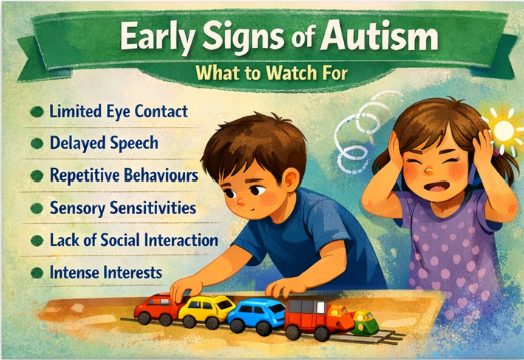
Early Signs of Autism - What to Watch For
Common Early Signs of Autism
Autism is a spectrum, and signs vary widely, but some of the most common early indicators include:
Limited or no eye contact
Delayed speech or language development
Repetitive behaviours (e.g. flapping, lining up toys)
Lack of interest in peers or shared play
Intense focus on specific topics or objects
Sensory sensitivities (e.g. noise, textures)
Difficulty with changes in routine
Trouble understanding others’ feelings
These signs are often observed by age 2 to 4 but may become more noticeable when a child starts school.
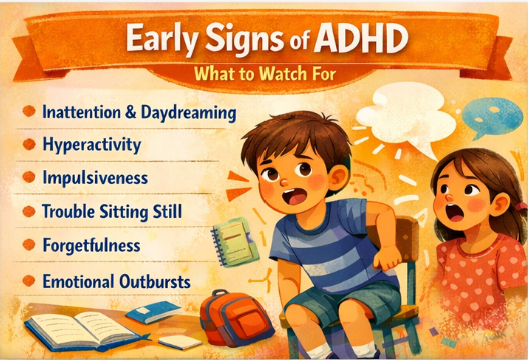
Early Signs of ADHD - What to Watch For
Common Early Signs of ADHD
ADHD can present in different ways depending on the child. Early signs may include:
Difficulty focusing or staying on task
Excessive talking or interrupting
Trouble sitting still (even during quiet activities)
Forgetfulness or losing things
Impulsive behaviours (e.g. blurting out, running off)
Daydreaming or appearing "tuned out"
Difficulty following instructions
Emotional outbursts or mood swings
In some children, these behaviours are mild and manageable; in others, they significantly impact learning and relationships.
When to Seek an Assessment
You should consider seeking a professional opinion if:
Behaviours are consistent and observed across different settings (home, school, social situations)
Developmental milestones are delayed
Teachers or caregivers express concerns
Your child becomes increasingly distressed or withdrawn
Start by speaking with your GP or SENCO, or consider a private autism or ADHD assessment forSupport Available After Diagnosis
A diagnosis can feel overwhelming, but it can also bring relief and direction. Once you understand your child’s needs, you can begin to:
Adjust learning strategies
Implement practical daily routines
Advocate for support at school
Build emotional resilience and confidence
Kate Hudson works with families across Newbury, Reading, Basingstoke, West London, and online to provide 1:1 tutoring, coaching, and practical strategies tailored to your child’s profile.
Final Thoughts
Every child develops at their own pace, but recognising when something feels off is an act of love, not worry. Early support helps children build the tools they need to thrive—in learning, relationships, and self-confidence.
Want guidance on the next steps? Contact Kate Hudson to explore assessment options and personalised neurodiversity support for your child.
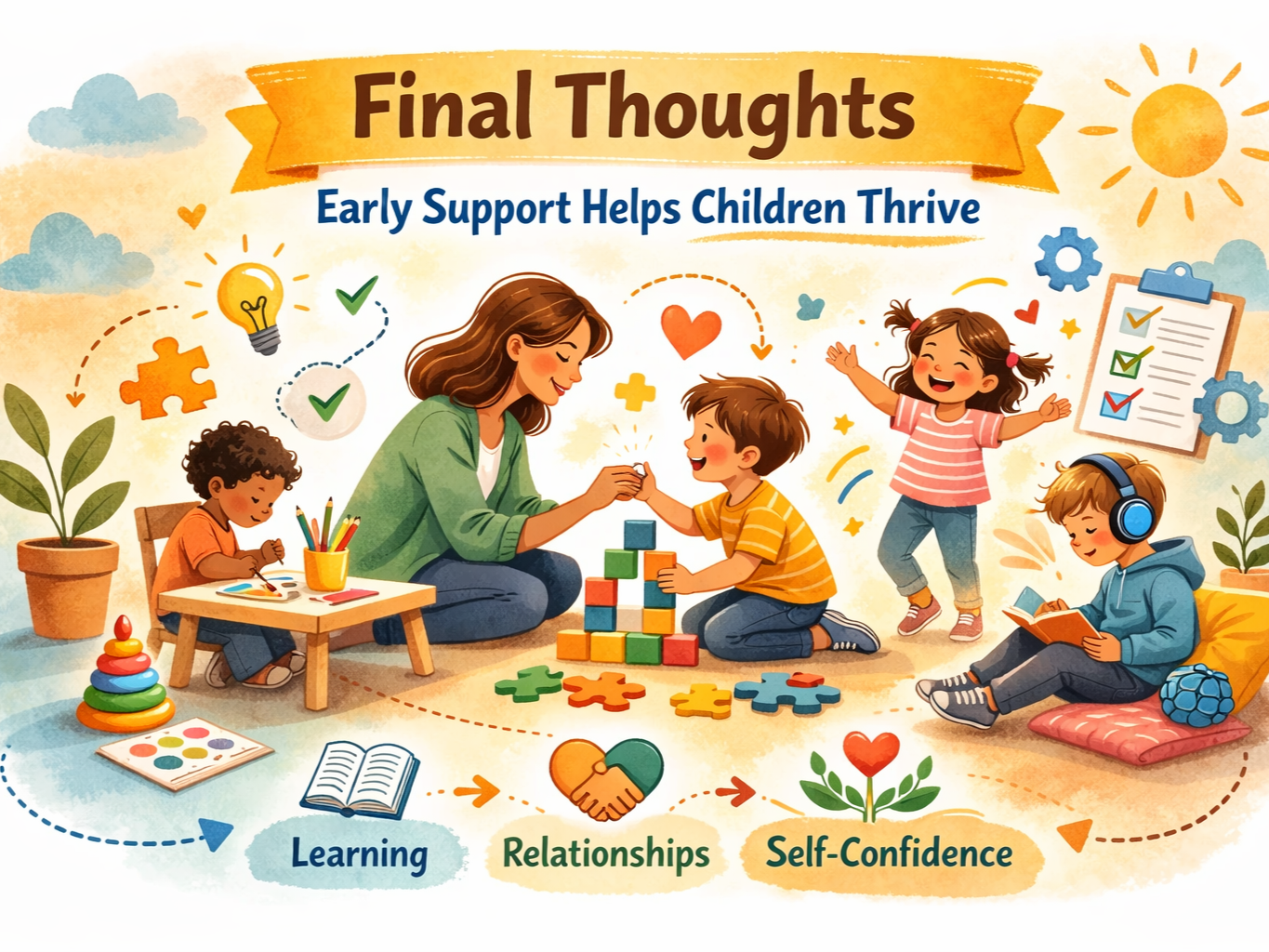
Early Support Helps Children Thrive